
Portable clinching tools
Handheld clinchers for parts too big to bring to a press. Pick the Moose Jaw version for your job, then configure it on the next page.
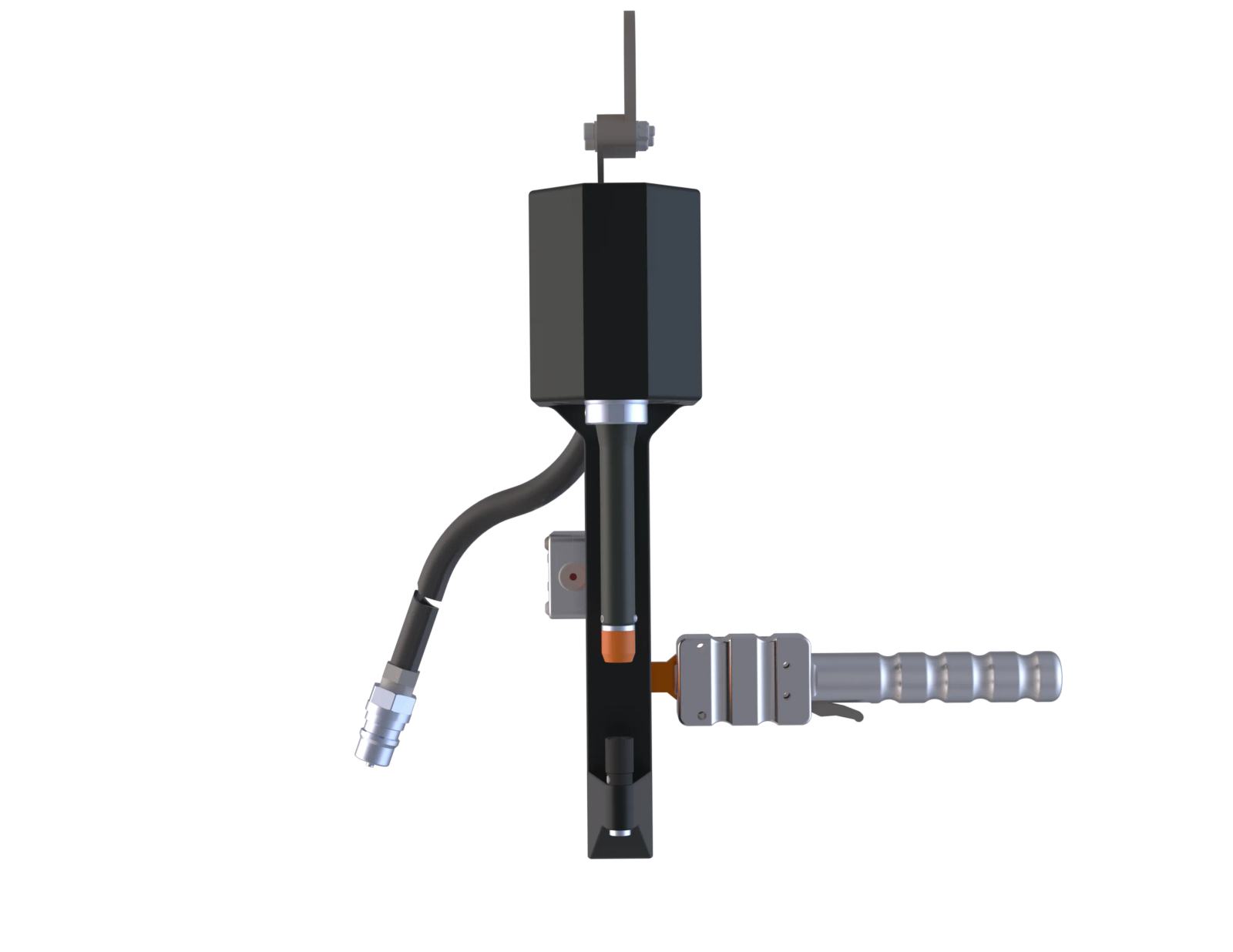 General useMoose Jaw53 kN handheld clincher for sheet metal assembly. Clinches and sets self-piercing rivets.
- Clinch
- Rivet
- Insert nuts
- Punch
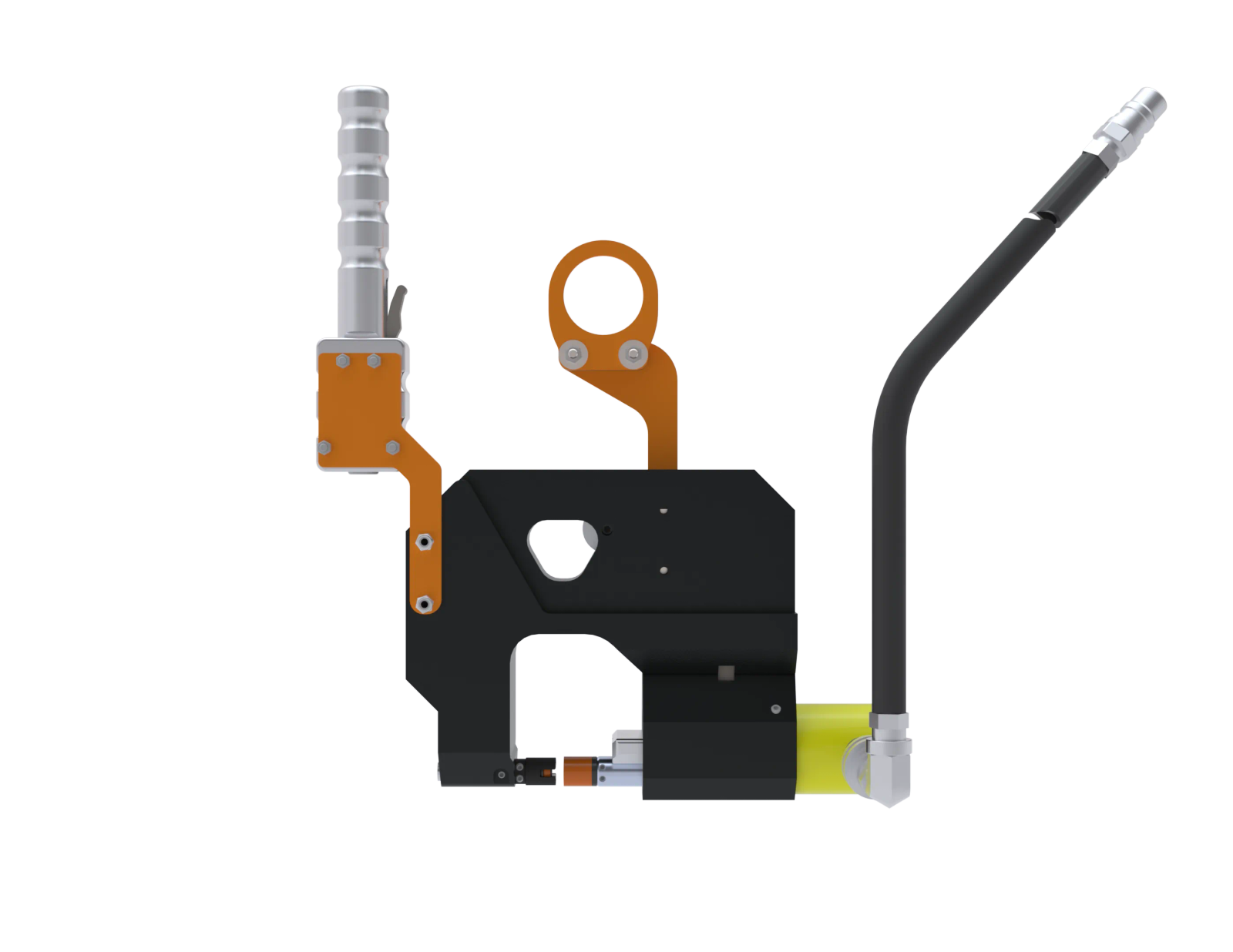 Standing seamMoose Jaw Panel62 kN for standing-seam panels. Clinches 5/8" from the bend.
- Clinch
- Rivet
- Insert nuts
- Punch
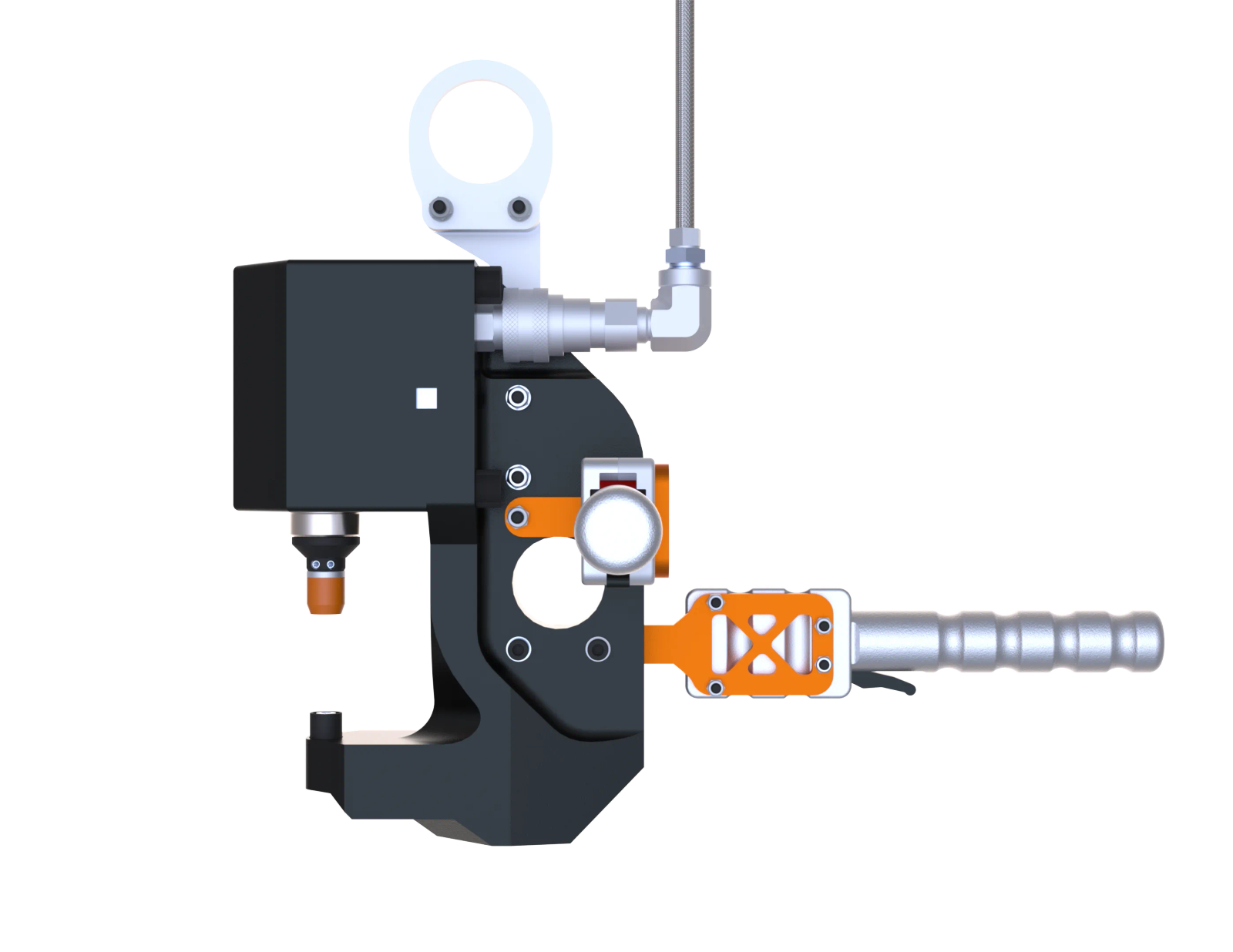 FramingMoose Jaw FramerBuilt for light-gauge framing. Specs being confirmed.
- Clinch
- Rivet
- Insert nuts
- Punch
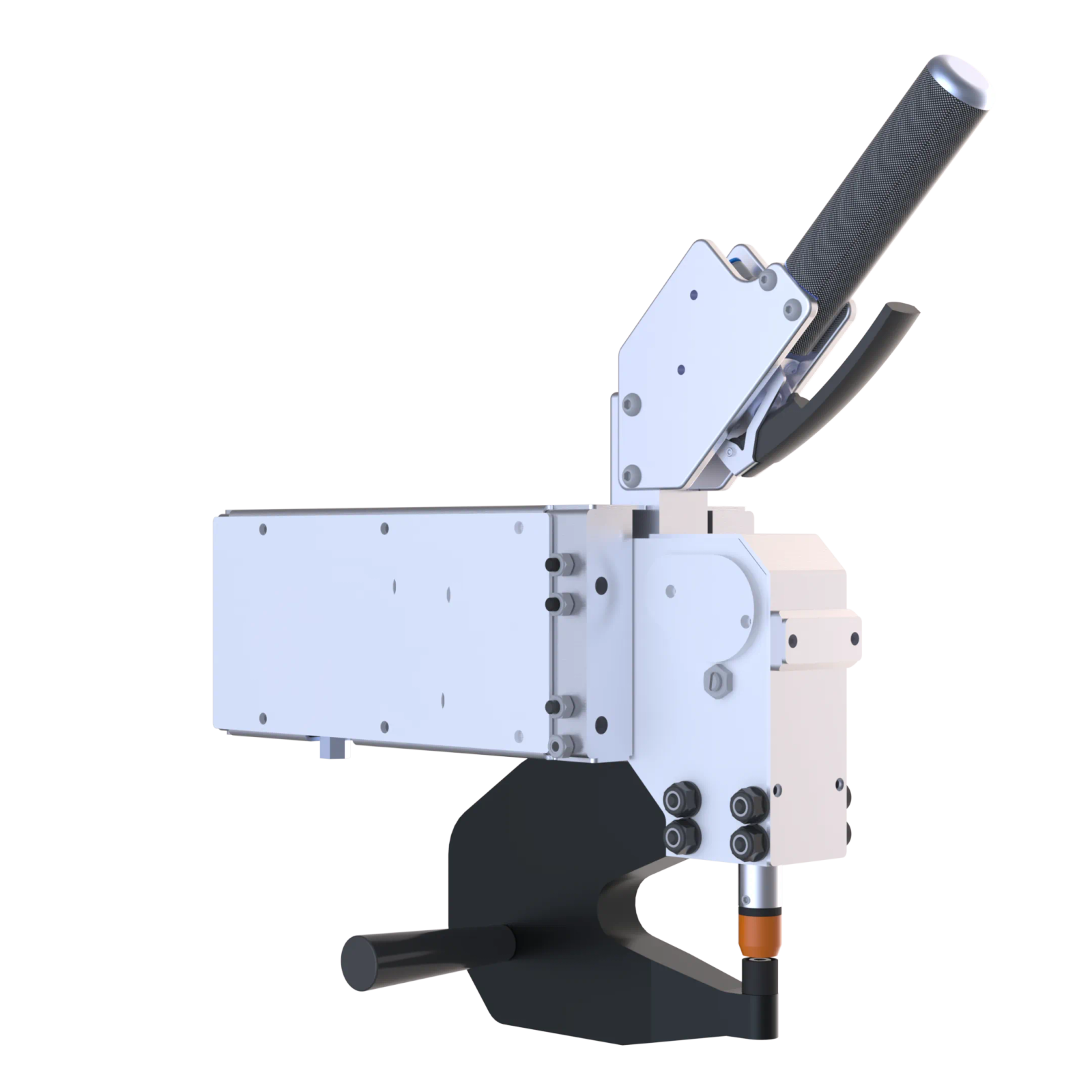 Letter returnsMoose Jaw AirRuns on shop air with no booster and a 3" bite, for channel-letter returns.
- Clinch
- Rivet
- Insert nuts
- Punch
When a portable clincher makes sense
Panels, frames, ductwork and finished letters stay where they are. The tool goes to the joint.
The joint is formed from the sheets themselves, so there is nothing to reload on the job.
Punch and die clinching, just in your hand instead of on a stand.
Questions
What is a portable clinching tool?
A handheld punch-and-die tool that locks two sheets of metal together at the joint, so you can clinch parts that are too big or awkward to bring to a press.
Which Moose Jaw do I need?
General use for most sheet metal assembly, Panel for standing seam, Framer for light-gauge framing and Air for channel-letter returns. You choose the version and trigger on the next page.
What is the difference between single and dual trigger?
The safety trigger option changes the jaw: single trigger has a 6 mm (1/4") jaw, dual trigger opens 25 mm or more.